在表达同意时,除了简单的 “I agree”,我们有时需要强调“我完全同意,不能再同意了”。英语中最地道、最常用的强烈赞同表达就是 “I couldn’t agree more.”。它字面意思是“我不能再同意更多了”,实际就是 “我完全同意” / “你说得太对了”。这个短语能瞬间拉近与说话者的距离,传递出“我们想法完全一致”的默契。本期英语角帮助大家掌握这个有力度的赞同表达。
二、核心知识点解析:“I couldn’t agree more.” 的地道意义与使用
1. 基本含义
“I couldn’t agree more.” 是表达强烈同意的固定句式,意为 “我完全同意”、“不能再同意了”。它比 “I totally agree” 更生动、更口语化,且自带一点“找不到不同意见”的幽默感。
例子:
A: “This is the best pizza in town.”
B: “I couldn’t agree more.”
A: “We really need better public transportation.”
B: “I couldn’t agree more. It’s a disaster right now.”
2. 与类似表达的区别
I couldn’t agree more. 强烈赞同,生动 100%
I totally agree. 强烈赞同,较普通 100%
I absolutely agree. 正式、强烈 100%
I agree. 中性 70-80%
I guess so. 犹豫,不完全 50%
You have a point. 部分同意 60%
That’s true. 认可事实 程度不定
对比:
A: “The movie was boring.”
B1: “I agree.”(一般)
B2: “I couldn’t agree more. I almost fell asleep.”(强烈,有共鸣)
3. 典型使用场景
讨论观点 “Working from home is more productive.” “I couldn’t agree more. I get so much done.” 观点一致,拉近关系
抱怨 “The weekend is never long enough.” “I couldn’t agree more. It flies by.” 共情
评价 “She’s the most talented singer in the competition.” “I couldn’t agree more. Her voice is incredible.” 热情附和
建议 “We should leave early to avoid traffic.” “I couldn’t agree more. Let’s go at 4.” 立即行动
4. 常见误区
误说成 “I can’t agree more.” —— 语法上现在时也可以,但母语者固定用 “couldn’t”(虚拟语气,表“即使想多同意一点也做不到”)。
在正式写作中过度使用 —— 可接受,但 “I fully agree” 更规范。
对不需要强烈赞同的场合使用 —— 对方只是陈述事实(如“今天周二”),用 “I couldn’t agree more” 会显得夸张。
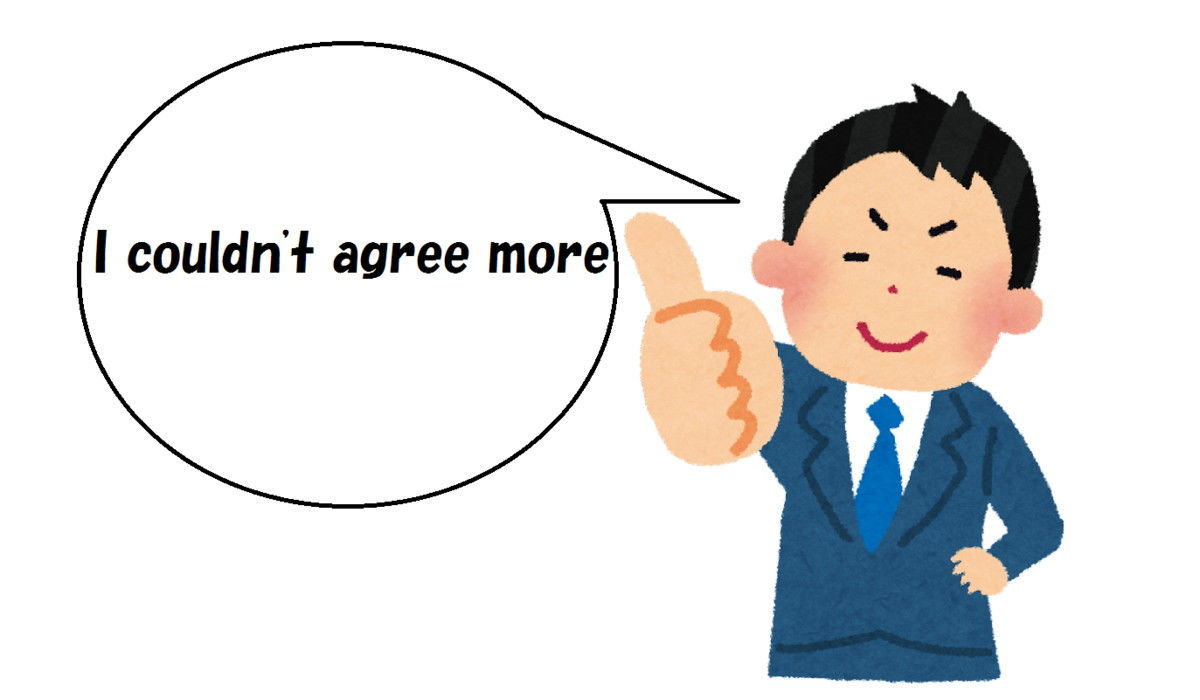
第17期: “I couldn’t agree more.” —— 表达强烈赞同
活动时间:2026年07月25日